jupyter notebook 文件的调用(调用.py文件或.ipynb文件)
jupyter notebook 文件的调用(调用.py文件或.ipynb文件)参考文献:jupyter notebook的project管理——.ipynb中调用.py文件在jupyter notebook中调用.ipynb文件调用 .py文件这两个文件在工程的同一个文件夹中hello.py中的代码:def hello():print('say hello')call_helper.ipynb中
jupyter notebook 文件的调用(调用.py文件或.ipynb文件)
参考文献:
jupyter notebook的project管理——.ipynb中调用.py文件
在jupyter notebook中调用.ipynb文件
调用 .py文件
这两个文件在工程的同一个文件夹中
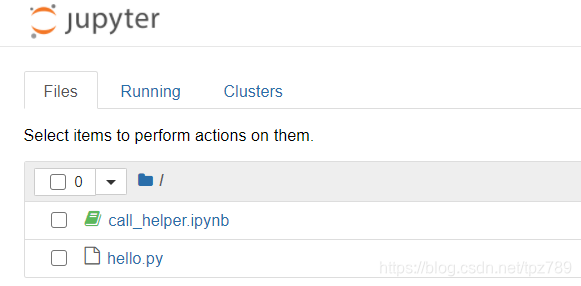
hello.py中的代码:
def hello():
    print('say hello')
call_helper.ipynb中的代码:
from hello import *
hello()
运行: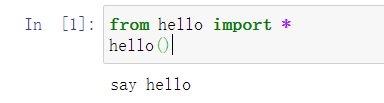
这两个文件不在同一个文件夹中
如果这两个文件夹在同一个工程目录下
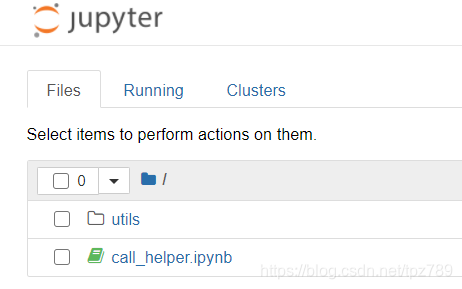
hello.py文件位于utils文件夹中,内容和上述的相同。
只需要将call_helper.ipynb中改为from utils.hello import hello
from utils.hello import *
hello()
如果这两个文件夹不在同一个工程目录下
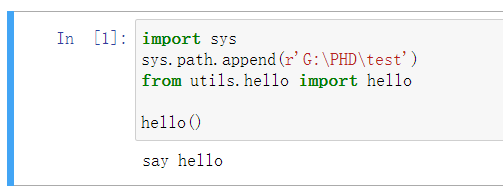
如call_helper.ipynb位于G:\PHD\jupyter,而hello.py位于G:\PHD\test\utils文件夹中。
则需要在call_helper.ipynb中使用sys将目录 G:\PHD\test\utils 添加。
import sys
sys.path.append(r'G:\PHD|test')
from utils.hello import *
hello()
调用.ipynb文件
两个文件在同一个文件夹中
添加jupyter notebook解析文件
首先,创建一个python文件,例如Ipynb_importer.py,代码如下:
注意是python文件,.py。
import io, os,sys,types
from IPython import get_ipython
from nbformat import read
from IPython.core.interactiveshell import InteractiveShell

class NotebookFinder(object):
    """Module finder that locates Jupyter Notebooks"""
    def __init__(self):
        self.loaders = {}

    def find_module(self, fullname, path=None):
        nb_path = find_notebook(fullname, path)
        if not nb_path:
            return

        key = path
        if path:
            # lists aren't hashable
            key = os.path.sep.join(path)

        if key not in self.loaders:
            self.loaders[key] = NotebookLoader(path)
        return self.loaders[key]

def find_notebook(fullname, path=None):
    """find a notebook, given its fully qualified name and an optional path

    This turns "foo.bar" into "foo/bar.ipynb"
    and tries turning "Foo_Bar" into "Foo Bar" if Foo_Bar
    does not exist.
    """
    name = fullname.rsplit('.', 1)[-1]
    if not path:
        path = ['']
    for d in path:
        nb_path = os.path.join(d, name + ".ipynb")
        if os.path.isfile(nb_path):
            return nb_path
        # let import Notebook_Name find "Notebook Name.ipynb"
        nb_path = nb_path.replace("_", " ")
        if os.path.isfile(nb_path):
            return nb_path

class NotebookLoader(object):
    """Module Loader for Jupyter Notebooks"""
    def __init__(self, path=None):
        self.shell = InteractiveShell.instance()
        self.path = path

    def load_module(self, fullname):
        """import a notebook as a module"""
        path = find_notebook(fullname, self.path)

        print ("importing Jupyter notebook from %s" % path)

        # load the notebook object
        with io.open(path, 'r', encoding='utf-8') as f:
            nb = read(f, 4)


        # create the module and add it to sys.modules
        # if name in sys.modules:
        #    return sys.modules[name]
        mod = types.ModuleType(fullname)
        mod.__file__ = path
        mod.__loader__ = self
        mod.__dict__['get_ipython'] = get_ipython
        sys.modules[fullname] = mod

        # extra work to ensure that magics that would affect the user_ns
        # actually affect the notebook module's ns
        save_user_ns = self.shell.user_ns
        self.shell.user_ns = mod.__dict__

        try:
          for cell in nb.cells:
            if cell.cell_type == 'code':
                # transform the input to executable Python
                code = self.shell.input_transformer_manager.transform_cell(cell.source)
                # run the code in themodule
                exec(code, mod.__dict__)
        finally:
            self.shell.user_ns = save_user_ns
        return mod
sys.meta_path.append(NotebookFinder())
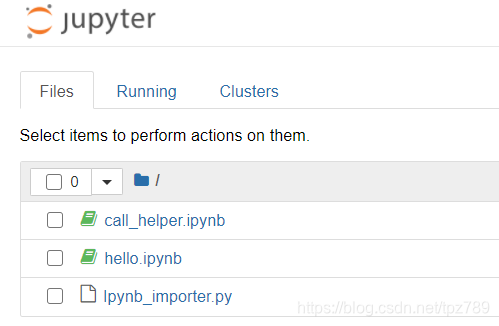
hello.ipynb
def hello():
    print('say hello')
call_helper.ipynb
import Ipynb_importer
from hello import hello
hello()
运行: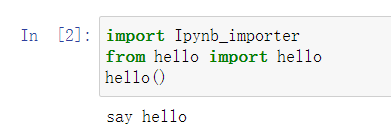
两个文件不在同一个文件夹中
如果这两个文件夹在同一个工程目录下:
如果将hello.ipynb移入到utils文件夹。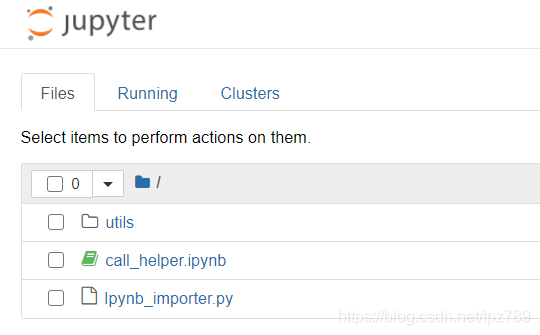
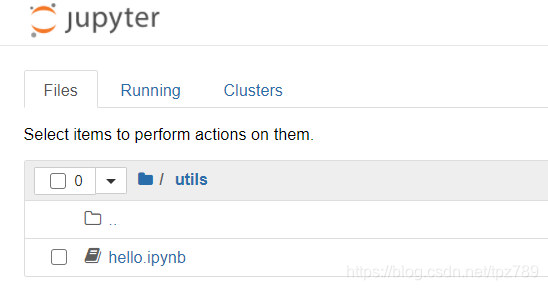
call_helper.ipynb:
import Ipynb_importer
from utils.hello import hello
hello()
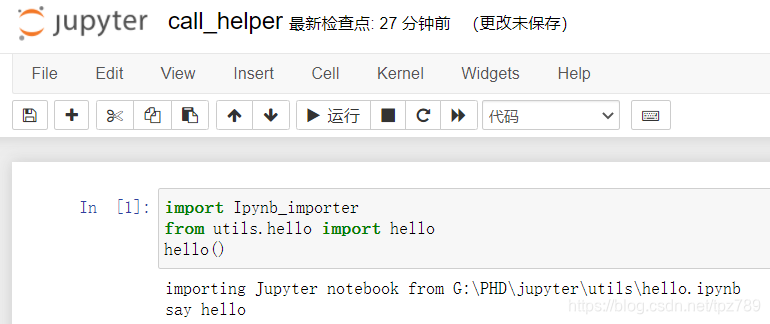
如果将hello.ipynb和Ipynb_importer.py都移入到utils文件夹。
call_helper.ipynb:
import utils.Ipynb_importer
from utils.hello import hello
hello()
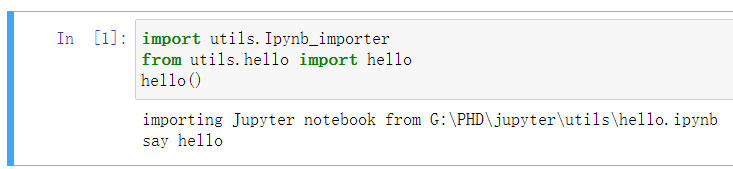
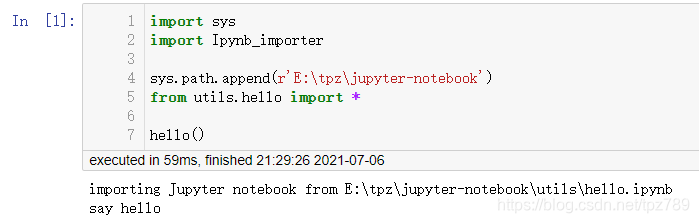
如果这两个文件夹不在同一个工程目录下
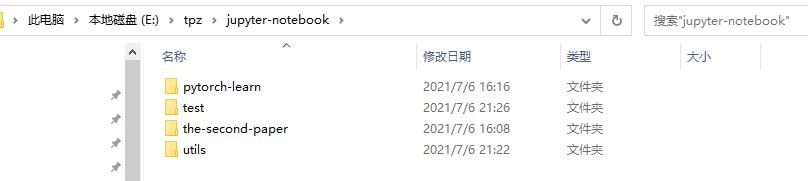
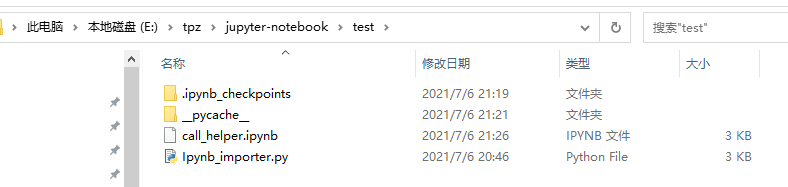

call_helper.ipynb:
import sys
import Ipynb_importer

sys.path.append(r'E:\tpz\jupyter-notebook')
from utils.hello import *

hello()
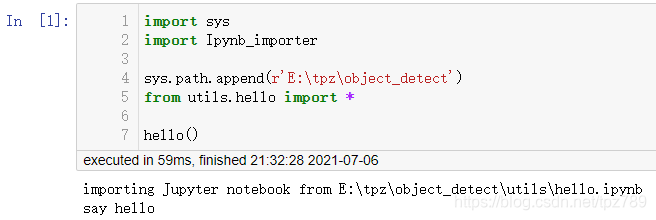
如果hello.ipynb放在更远的地方

call_helper.ipynb:
import sys
import Ipynb_importer

sys.path.append(r'E:\tpz\object_detect')
from utils.hello import *

hello()

「智能机器人开发者大赛」官方平台,致力于为开发者和参赛选手提供赛事技术指导、行业标准解读及团队实战案例解析;聚焦智能机器人开发全栈技术闭环,助力开发者攻克技术瓶颈,促进软硬件集成、场景应用及商业化落地的深度研讨。 加入智能机器人开发者社区iRobot Developer,与全球极客并肩突破技术边界,定义机器人开发的未来范式!
更多推荐
 63
63 0
0- 0


 已为社区贡献1条内容

所有评论(0)